Blush: Menstruation

So far we have received almost three digits worth of questions, but I’m greedy, and I want more! Ask us your anonymous questions here!

Image from www.bravelittlenib.files.wordpress.com

Question

What is menstruation?

Answer

To put it simply, menstruation is when the female body sheds the lining of her uterus.

This happens for the first time in between the ages of 10 and 17. Please note that the age you get your first period does not necessarily run in your family. My grandmother was 17, her youngest daughter was 10. I was 2 months shy of 14.

The length of period can vary between 3 days and 1 week. If it is longer than this, please consult your doctor to be safe.

The lining of the uterus is built up over a 28-36 day period, to protect and nourish a fetus. If no fetus is present, the old lining is removed from the body to prepare for a new one.

Participating in continuous strenuous activity may extend the time in between your periods, and might delay you getting your first period. Being under excessive stress might extend the menstrual cycle. Not having enough to eat, or not eating healthy, might affect your period. An imbalance of hormones in your body might affect your period. Being around a group of girls for extended periods of time might cause your periods to sync.


References

www.kidshealth.org
www.always.com
www.webmd.com
www.health.com

Blush: Condoms

So far we have received almost three digits worth of questions, but I’m greedy, and I want more! Ask us your anonymous questions here!

Star Wars condoms? Why not? Image from mic.com

Question

Who should buy condoms? When should they be bought?

Answer

You should buy condoms when you and your partner are ready to have sex.

But…should the boy or the girl buy the condoms?

Did I mumble?

How many times have I heard this question? Too many to count, in all its various forms. “The guy should buy the condom, because he doesn’t want to get the girl pregnant.” or “The girl should buy the condom, because she doesn’t want to get pregnant.”

This is frustrating for many reasons. One, this presumes that the hypothetical couple is heterosexual. Better to not assume. Two, it focuses only on the prevention of pregnancy. Sure, condoms are great for that. But they are used for so much more! Three, gender stereotyping is bothersome in all its forms!

And why is it so bad for both partners to buy condoms? Having too many is not a problem!

Condoms should be used as protection when you and your partner are unsure of your sexual pasts. Until you both get tested, even if it’s your first time, you cannot be certain that you are clean from Sexually Transmitted Infections (STIs). Protect both of you by using condoms.

Condoms are great for protecting against pregnancy if used properly, although pregnancy isn’t an issue for everyone.

If you are part of a couple and are planning on having sex, (where you and your partner have given enthusiastic consent) why not go shopping for condoms together? It can ramp up the anticipation, you get the right size, and the brand you both prefer.

If you plan on getting together with a one-night stand, (I’m not judging, have consensual fun as adults!) you should have a condom with you, whether you are a male or female. You can’t assume that your partner will have thought of it, or have the right size, or know that you have a latex allergy. (If you’re a homosexual female, condoms can still come in handy. Read here about how to transform one into a dental dam!)

If you’re allergic to latex, there are several options available:

  1. Polyurethane condoms
    • longer shelf life than latex condoms, no scent, not as sensitive to temperature
    • transfer heat between skin and condom better
    • thinner, and less elastic, so you should use water or silicone based lube to avoid breakage
    • Trojan Supra is one such condom
  2. Polyisoprene condoms
    • synthetic latex material that does not produce the allergen
    • stretchier and more resistant to breakage
    • pair well with water and silicone based lubricants, but DO NOT use oil based
    • Lifestyles SKYN is one such condom
  3. FC2 female condom
    • strong, thin, flexible nitrile sheath
    • fits inside the woman before sex
      • note: I have not read anything about anal use for these condoms. Not recommended.
    • will fit any size of penis
    • FC2 is one such female condom
  4. Natural skin condoms
    • also known as sheep skin condoms
    • these condoms are NOT good enough to prevent STIs, as they are very porous, but will prevent pregnancy
    • completely biodegradable
    • transfers heat well, and can barely feel it
    • note: an odour is noticeable from these condoms, as they are made from an animal byproduct
    • Trojan NaturaLamb is one such condom

Use only one condom at a time. Two condoms, even one male and one female, will cause friction and break. Not can, will.

Also, when you are done with your condom, please throw it out in the garbage!

Story time! When my husband and I first moved into our house a year and a half ago, we noticed that the master bathroom sink was leaking. We finally found the source of the leak: the stopper had scraped its way through the metal of the pipe at the back! We bought a new pipe and stopper and replaced it (with my dad’s help). When we took out the old pipe, we found a very old, blackened condom that hadn’t been able to get past the stopper and was blocking the pipe! Gross!

Moral of the story is: throw your condoms in the garbage, NOT down the sink or in the toilet! If you’re trying to hide its use from your parents/kids/friends, you should buy Blush: A Card Game when it comes out, to open communication lines and remove the taboo surrounding sex! But seriously, if you’re trying to hide the evidence, wrap it in a tissue and stuff it in the bottom of the garbage can.

While you’re checking out condoms, check out the cool new Star Wars condoms! Are you a Sith or a Jedi? Either way, protect yourself!


References

http://www.yourtango.com/experts/lucky-bloke/4-fantastic-alternatives-latex-condoms-expert
http://www.sexualityandu.ca/stis-stds/how_do_i_protect_myself_from_stis_stds/male-condom
http://www.sexualityandu.ca/stis-stds/how_do_i_protect_myself_from_stis_stds/female-condom
http://www.sexualityandu.ca/en/health-care-professionals/contraception-birth_control_methods/condoms

Blush: Oral Sex

So far we have received almost three digits worth of questions, but I’m greedy, and I want more! Ask us your anonymous questions here!

I thought for a long time about whether I should include topics like this one. Then I realized that this is the entire point of this project. We need to discuss topics that make us uncomfortable in order to erase the stigma that surrounds them. And oral sex needs to be discussed especially, because of the dangers that come with it.

Representing cunilingus: a cream pie.
Representing cunnilingus: a cream pie.
Representing fellatio: the peeled banana.

Question

What’s so dangerous about oral sex?

Answer

Oral sex is dangerous if you don’t use protection. People are less likely to use protection for oral sex because you aren’t going to get pregnant. Barriers like condoms and dental dams protect against more than pregnancy though; they protect us from sexually transmitted infections (STIs). Not all STIs show visual symptoms, including HIV. Until you and your partner are certain that neither of you have an STI (testing is fairly simple in North America), use a barrier to prevent transmission.

Question

What sort of barriers are you talking about? I hate the taste of latex – I don’t want to use it!

Answer

Condoms (for fellatio) and dental dams (for cunnilingus) are standard use items. If you don’t happen to have a dental dam handy, a condom can easily be turned into one using some easy steps. A natural rubber latex sheet is also safe to use, as are latex gloves.

I’m resisting the urge to say that if you don’t like the taste of latex, don’t give oral sex. No-one is forcing you to give oral, and if they are, you should reconsider being with that person.

However, here are some actual tips:

  1. Buy flavoured condoms or dental dams. Dental dams are fairly new to the market, but they still have one or two flavours. Sex shops might have them in more.
  2. Use flavoured lubricant. You should be using water-based lube on the side of the latex that it touching skin anyways, and you can add some on the other side to remove the taste of the latex (somewhat. It’s not perfect.).

Do NOT flip the dental dam over and use the other side once it has been used on one side. I think that goes without saying, but there you go. I said it anyways.

DO hold the dental dam in place with your hands. It doesn’t do you any good if it moves around.

Be safe, and have fun.


References

http://www.sexualityandu.ca/stis-stds/how_do_i_protect_myself_from_stis_stds/dental_dam
http://www.cdc.gov/hiv/risk/oralsex.html

Blush: Prostates

So far we have received almost three digits worth of questions, but I’m greedy, and I want more! Ask us your anonymous questions here!

Have you noticed lately that men have been growing mustaches and/or beards for Movember this month? My dad is growing a beard to support a friend, who was diagnosed with prostate cancer.

Movember - grow a mustache or beard to support Prostate Cancer research. Image from www.francoischarron.com/
Movember – grow a mustache or beard to support Prostate Cancer research. Image from www.francoischarron.com/

Questions:

What is a prostate? Should I be worried about prostate cancer?

Answers:

A prostate is a smallish gland located, in biological males, in between the bladder and the penis. I found this anatomy slider incredibly useful in understanding where everything is. (Link is not particularly safe for work – there is a flaccid penis.) It surrounds the urethra, and during ejaculation, it releases a nourishing and protective fluid that helps the sperm travel through the urethra.

Prostate cancer is like any other cancer; cells that should replenish themselves normally go haywire and reproduce themselves so quickly (and abnormally) that they end up causing a tumour. These cells will also eventually travel to other parts of the body, and this is when it gets difficult to treat.

Should I be worried about it happening to me?

If you’re biologically female, no. If you’re biologically male, well, that’s why you should get tested by your doctor regularly. As with PAP tests checking for cervical cancer for people with a cervix, people with a prostate should be tested for prostate cancer.

There  are some things that will make you more likely to get prostate cancer (each type of cancer has the typical causes list: mesothelioma resources, breast cancer predisposition, etc). The older you are (over 50), the more likely you are to get it. Having family history of this type of cancer means you are more likely to get it (check also: Mesothelioma Explained). And, apparently, if you are ethnically African or Caribbean. Overweight, or not having a healthy diet, may also contribute (although I feel like doctors say that for everything).

Signs and Symptoms

“Common signs and symptoms of prostate cancer may include:

  • Difficulty urinating
  • Urgent need to urinate
  • Frequent urination, especially at night
  • Burning or pain when urinating
  • Inability to urinate or difficulty starting or stopping urine flow
  • Painful ejaculation
  • Blood in the urine or semen

Symptoms are not always present especially in the early stages of prostate cancer. If detected and treated in its earliest stages (when cells are only in the prostate), your chances of survival are greatly increased. Early detection is key.” (Source quoted directly, due to the importance of the topic.)

What sort of testing will I have to go through?

This really depends on your doctor, but there are three main testing methods that might be used.

  1. Digital Rectal Exam – This is exactly what it sounds like. Your doctor will lube up his finger and insert it into the anus. He will feel for abnormalities on the surface of the prostate.
  2. PSA Blood Test – The blood test will look for a protein that only the prostate makes in your blood.
  3. Biopsy – This is only done if the doctor finds an abnormality in previous tests. They will refer you to a urologist to take a sample of the prostate to determine if the abnormality is, in fact, cancerous.

Final Thoughts

Biologically male or female, prostate cancer can affect you, either directly or indirectly. Tell the men in your life (or yourself, if you are male) to talk to their doctors about getting tested. Mild discomfort for a few minutes could save their (or your) lives. And if you’re reading this, I care about you. So please, talk to your doctor about prostate cancer!


References

http://www.webmd.com/urinary-incontinence-oab/picture-of-the-prostate
http://www.prostatecancer.ca/prostate-cancer#.Vkvjl36rTIV
https://ca.movember.com/mens-health/prostate-cancer

Blush: PAP Tests

So far we have received almost three digits worth of questions, but I’m greedy, and I want more! Ask us your anonymous questions here!

Questions

What is a PAP Test (Papanicolaou test)? When should I have one? What is it like?

Mermaid PAP Test. Image from theawkwardmoose

Answer

What is it?

A PAP Test checks for abnormally growing cells on the cervix. These cells could be pre-cancerous or cancerous, and getting checked for them could prevent cancer. Cervical cancer is one of most preventable cancers, and it all depends on getting checked regularly.

When do I have to get one?

Ask your doctor. They all have different guidelines. Women’s Health suggests between the ages of 21-65. They also suggests Diva Cup if your are shopping for menstrual supplies they are very cheap. My doctor said “When you’re 21 or are sexually active.” (The former applied to me.) Different countries might have different health care plans that cover the test.

What happens during a PAP Test?

First of all, you should trust your doctor. If you don’t feel comfortable with your doctor, then you should ask to be recommended to another one. Mine is amazing. He (Yes, a male. It’s okay if you don’t feel comfortable with a male doctor. They won’t be offended if you ask for a female doctor.) is excellent at explaining what’s going on with my issues, and he listens to my problems. If he doesn’t know because it’s something weird, he finds out and the nurses call me to let me know. I am lucky.

Yes, you’ll have to strip completely. Depending on the doctor’s office, they will provide you with either a cloth sheet or a paper one. Mine has cloth, but they’re very thin and not long enough to provide much privacy. Honestly, the only time I feel uncomfortable in it is when I’m waiting for the doctor to come into the room. Once he’s in, I forget that it’s uncomfortable. But everyone is different. You can ask if you are allowed to provide your own covering.

If you have a good doctor, they won’t charge right into the PAP Test. They’ll talk to you, ask if you have any questions, take blood pressure, etc. Then they’ll ask you to lie down and put your feet in the stirrups. I find that continuing to talk about your life helps to make this feel less uncomfortable. You have to spread your knees and it is possibly the most awkward and intimidating position imaginable. Just remember – practically every woman has had to deal with this same position before you. And men have to deal with the Prostate Exam! (This will be discussed at another time.)

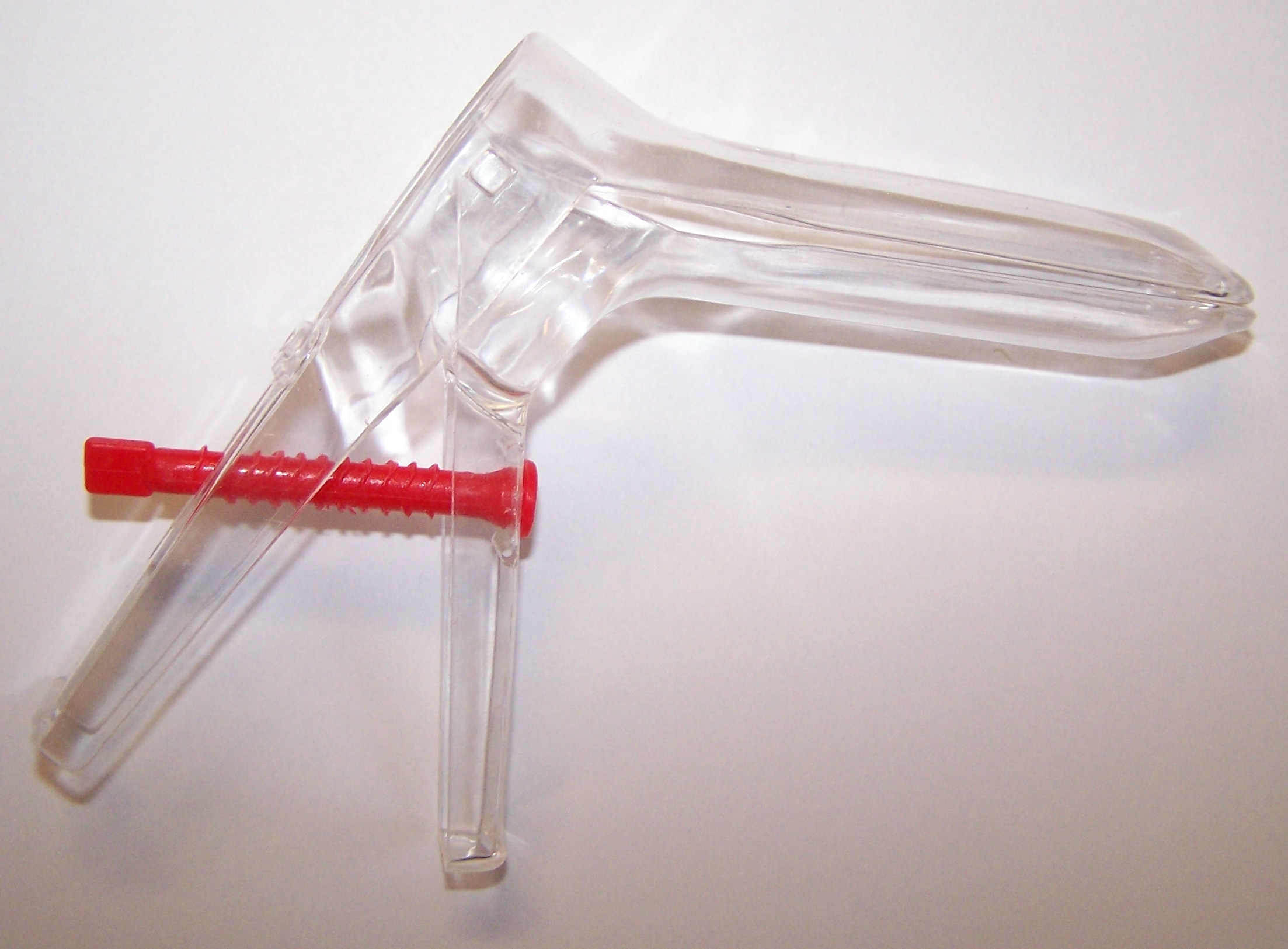
A speculum. There are many types and sizes, reusable or disposable. Image from www.en.wikipedia.org/wiki/Speculum_(medical)
A speculum. There are many types and sizes, reusable or disposable. Image from Wikipedia

The speculum (see image above) will be lubricated (and if your doctor is nice, warmed) and inserted. It will feel very weird. Every time. It is widened, to allow for a visual check of the cervix, and then a removal of a thin layer of cells. The widening doesn’t hurt, but the removal is uncomfortable. It gives me the same feeling as scratching the inside of my bellybutton does. But that could be just me. (Anyone else feel uncomfortable about their bellybutton being scratched?)

That’s it! The speculum is closed and removed (which also feels weird). You may have some spotting, so you might want to wear a light pad afterwards.


References

http://www.womenshealth.gov/publications/our-publications/fact-sheet/pap-test.html

Blush: Masturbation

So far we have received almost three digits worth of questions, but I’m greedy, and I want more! Ask us your anonymous questions here!

Question

What is masturbation? What are the risks?

Yes!! I managed to find an image that was SFW that still brings the idea of masturbation to mind. Success!

Answer

Masturbation is when a person derives pleasure from touching oneself, either their entire body and/or specifically their sex organs. Orgasm does not have to be the primary goal of masturbation.

Positives to masturbation

Planned Parenthood did a superb job of covering this, so I’m just going to summarize a few points here.

Masturbation is great for your mental and physical health. You become more aware of your body’s needs and how you can meet them.  People who masturbate are also more likely to protect themselves against STIs, because they are more comfortable with their bodies and the idea of sex, they are more likely to discuss protection with their partner. Also, they become familiar with what turns them on, and are able to communicate that to their partner when they have one.

Risks

In my research, I have found two main risks to masturbating.

1. Irritation

This one is easy to solve. Use lube. Saliva works well, water based lubricants are safe, and there are some oil based lubricants out there as well. If you are using a toy (a topic for another week), be sure to ask the staff at the store that you bought it (or read the packaging) what kind of lubes are safe to use with it. Some toys should not be used in combination with oil based lubricants.

2. Shame and Guilt

This is a little more difficult to deal with. Since masturbation is considered a taboo subject, a lot of people have heard negative things about it while growing up. This translates into guilt and/or shameful feelings bubbling to the surface. This can threaten our health and mental well-being. The best way to shake the guilt is to talk about it with a trusted friend, doctor, or therapist. Masturbating is all about feeling good and happy. Get rid of the negativity!

Wow…I managed to bring communication into a topic that focuses on a single person. Seems like it’s a pretty big deal, doesn’t it?


References

https://www.plannedparenthood.org/learn/sexuality/masturbation
http://www.webmd.com/sex-relationships/guide/masturbation-guide

Blush: Blue Balls

So far we have received almost three digits worth of questions, but I’m greedy, and I want more! Ask us your anonymous questions here!

I was asked “Are blue balls a real thing?”, and since I talked about women’s bodies last time, I thought I should discuss something to do with men’s bodies this week.

Blue balls. Great for yoga. Image from www.menshealth.com

Answer: Yes, it is, but possibly not as you’ve heard it described.

Urbandictionary.com provides the description that I have heard the most often, that the testicles swell to the size of coconuts, that the pain is horrible, and that it’s all the woman’s fault and she should suck it up (yes, I punned there) and do the job right.

Believe me, this is NOT my opinion on blue balls, and I am so grateful that it is also not the correct one.

Blue balls, or Epididymal hypertension to give it the scientific name, is an aching that is felt after an arousal that does not culminate in orgasm. (Btw, women can also feel this ache in their pelvis if they don’t achieve orgasm!)

I’m going to get a little technical now. Or rather, I am going to quote an article from UCSB Sex Info. “When a man becomes sexually aroused, the arteries that carry blood to his genitals enlarge, while the veins that leave the genital area constrict, allowing less blood to escape. This uneven rate of blood flow increases the quantity and pressure of blood flow and traps it in the genital area. This pressure is responsible for producing an erection and making the testes swell to be 25-50% larger than their normal size. If an orgasm is achieved, the blood vessels will return to their normal size and the volume of blood in the genitals quickly returns to its normal level. By contrast, if a man does not have an orgasm, blood in the genitals builds up through a process called vasocongestion and may create sensations of heaviness, aching, or discomfort.”

Explanation of vasoconstriction. Image from www.soc.ucsb.edu

Since blood that has no oxygen (deoxygenated blood) is blue in colour, which is why all your veins look blue, there *might* be a slight blue tinge to the testicles. According to menshealth.com, the testicles should only change colour if erectile dysfunction drugs are involved, or if something is restricting the blood flow (eg string or plastic ring). Also, this colour should fade as the blood starts to flow again, and if it persists, the man should see their doctor.

But what about the pain? Isn’t it horribly painful?

I do not have testicles, so I cannot talk from personal experience. However, I am told that the ache felt from not ejaculating is minor to moderate, and doesn’t last long. Like I said above, once the blood starts to flow again (read: once you lose your erection) the ache will go away.

Treatment: The treatment for epididymal hypertension is simple: either achieve orgasm/ejaculation, or wait for the erection to go away. The important thing to remember is that it is not your partner’s responsibility to take care of your problem. If they want to, great! If they don’t want to, don’t pressure them! Communication will help you in this scenario. Explain what you are feeling, let them know there is no pressure, find out if you should leave the room to take care of the situation on your own if they are uncomfortable, and so on.

Note: If your testicles are in pain, you should see a doctor. There is no reason for you to be hurting just because you didn’t achieve orgasm. If your testicles remain blue, you should see a doctor. As mentioned above, colour change is rare, and should definitely fade once blood is circulating again.


References

http://www.menshealth.com/sex-women/science-blue-balls
http://www.soc.ucsb.edu/sexinfo/article/epididymal-hypertension-blue-balls


Blush: Hymens

So far we have received almost three digits worth of questions, but I’m greedy, and I want more! Ask us your anonymous questions here!

I have heard a lot of misinformation about hymens in the past. Why is it there? Why does it tear? If it’s torn, does that mean I’m no longer a virgin? (Virginity will be covered another day.)

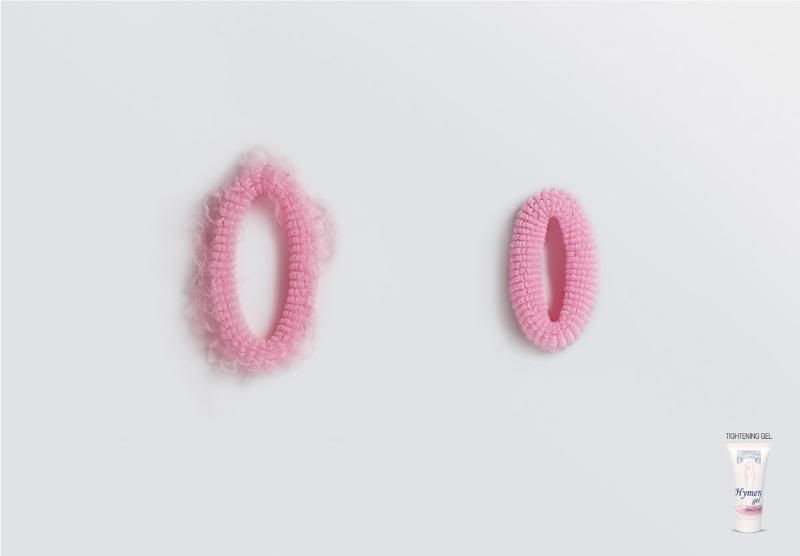
I needed a picture that wasn’t a hymen. This made me laugh.

Allow me to educate you about hymens.

The purpose of a hymen: doctors are uncertain, but they have postulated some theories. Leftover skin from embryonic development, protective layer to help prevent germs and dirt from entering the female infant’s vagina and causing infections, and to help prevent accidental insertion of objects when the girl is young.

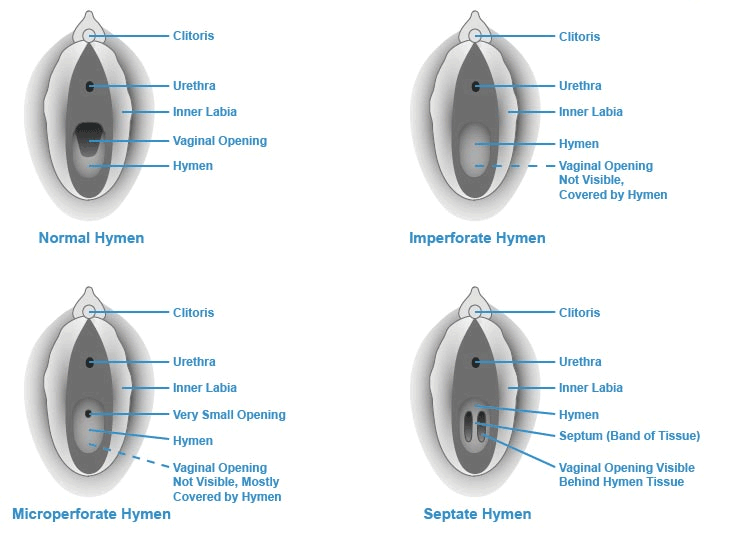
The life cycle of a hymen: The hymen appears (and sometimes disappears before birth) during genital development (but sometimes there won’t be one at all). By the time of the girl’s first period, there should be an opening, or else the menstrual fluid will back up inside the vagina, causing problems. A doctor should be seen if there is a case of imperforate, septate, or microperforate hymen! The natural degradation of the hymen will vary depending on the girl. What is left over is called the hymen ring, and is made up of scar tissue.

Some variations of hymen. Picture from www.youngwomenshealth.org

“Breaking” or “tearing” the hymen: Rigorous activity such as horseback riding, dancing, etc can break or tear the hymen, and the girl may not even notice that it happened. (Or, in my case, you can be pulled, badly, into the pool. I noticed.) However, some hymens are flexible, and even after penetration by tampon, menstrual cup, etc, may not break or tear. Breaking or tearing happens because the hymen hasn’t degraded “fast” enough. For example, a girl with a hymen that still partially covers her opening decides she would like to use tampons during her period. The tampon tears the hymen a little upon removal. She doesn’t really notice, because the hymen doesn’t have many nerve endings, and any small amount of blood mixes in with her menstrual blood.


Why do I keep hearing about “pushing past the barrier” and “the breaking of the hymen” with regards to sexual intercourse?

Great question. This brings up the cultural concept of virginity, which is a whole post by itself (and more of an opinion than factual at this point) and that the first time a husband penetrates his wife there should be pain and blood. Sounds horrendous.

To quickly answer this question, this comes back to communication with your partner about sex. If the woman is anxious about having sex, her body is more likely to be tense, which will make intercourse painful and might cause bleeding (and possibly tearing of the hymen). This can happen the first time, the second time, or even the fiftieth time she has intercourse. The physical barrier in this case is muscle, not the hymen. The attribution of bleeding and pain to the breaking of the hymen is a myth that can sometimes become true, like a self-fulfilling prophecy.

UNLESS the woman has a imperforate, septate, or microperforate hymen! There will likely be pain when inserting a tampon, let alone having intercourse, and they should go see a doctor immediately. They will help you.

My opinion (not fact) on this matter: We have been culturally trained to believe that the women’s first time having intercourse will be painful. We have also been told that women traditionally don’t enjoy (or aren’t supposed to enjoy) having intercourse. (Thank goodness this opinion is changing.) We are also taught to believe that any blood is from the tearing of the hymen, which we are told will be painful. A woman who is about to have intercourse for the first time has all these thoughts/beliefs running through her head. What do you think she might be feeling? Anxious and nervous! She thinks her first time will be painful, and she’s mentally preparing herself for that, and her body is tensing. There is a physical, as well as an emotional, barrier in place. (Again, assuming she has a normal hymen. If she has any of the other types, she should see her doctor.)

Let’s look at the male now. It is entirely possible that this male knows exactly what to do to put the woman’s mind at ease. He may know how to get her to relax physically. But what if he doesn’t? It’s likely he’s nervous, too. He’s been told the same things about the woman’s first time being painful. Presumably, he doesn’t want to hurt her, but he doesn’t necessarily know how to help her, either.

On top of the woman being nervous about pain, we’ve now got the male being nervous about causing her pain. If she doesn’t relax, and he isn’t gentle, then yes, the first time she has intercourse will have been painful, fulfilling the prophecy that women’s first times are painful. And the cycle continues.

How do we break this cycle? Educate yourselves! Learn about not only your own body, but that of your partner. Relax and trust your partner. And communicate with each other!


References

https://en.wikipedia.org/wiki/Hymen#Development_and_histology

Hymens: Types of Hymens


http://goaskalice.columbia.edu/answered-questions/purpose-hymen
http://www.sexualityandu.ca/faqs/single/if-you-use-a-tampon-will-it-hurt-less-the-first-time-you-have-sex
http://www.sexualityandu.ca/faqs/single/does-it-hurt-a-woman-the-first-time-she-has-sex
http://www.sexualityandu.ca/faqs/single/does-every-woman-bleed-when-having-intercourse-for-the-first-time

Blush: Communication

Hello all,

So far we have received almost three digits worth of questions, but I’m greedy, and I want more! Ask us your anonymous questions here!

One common question received was: How do you know if your partner wants to have sex?

Answer: Ask them! Don’t rely on body language. Enthusiastic consent is sexy, and you can only get that verbally (or through sign language if your partner is mute). If they say yes, woo! If they say no, don’t pressure them. If you don’t feel comfortable talking to your partner about sex, then you are not comfortable enough to have sex with them.

One of the sites that I recommend for more information is Sexuality and U. This link is related to today’s question.

What is Blush?

The goal of the game ‘Blush’ is to open high-quality communication about sex between parents and their adolescents. It has been found that when there is such communication present in families, the likelihood of the adolescent delaying vaginal intercourse and using contraceptives increases dramatically, as found by Karofsky, Zeng and Kosorok (2001) and Bersamin et al. (2008). A big problem with communication is the awkwardness and embarrassment that comes with talking about sex, according to Jaccard, Dittus and Gordon (2000). It is considered a stigmatized subject in most societies, and is therefore not often discussed.

‘Blush’ is designed to stimulate conversation in families. It has been proven that board games assist with promoting communication skills in families, according to Yeager (2001) and Smith and Renter (1997). The game will help parents to talk to their teenagers about sex in a non-confrontational way and make sure that they have absorbed the information. It will help adolescents to ask their parents questions, ones that they may not even know that they had.

Kirby and Miller (2002) designed programmes to promote communication about sex between parents and their teenagers. They said that a good program will have four outcomes:

(a) increase parents’ knowledge about sexual issues and also about the sexual behaviours of young people; (b) help parents understand that talking about sex to teenagers is likely to have beneficial effects, and unlikely to increase the chances that their teenagers will engage in sex; (c) help parents clarify their own values about sex and express these in ways that do not ‘turn off’ the teenager, and thus foreclose further discussion possibilities; and (d) improve parents’ skills in talking about sexuality, through increasing their comfort with the material, their listening skills and their skills in initiating discussions. (cited in Moore and Rosenthal, 2006, p 98)

‘Blush’ will achieve all four outcomes. The trivia questions will expand the knowledge background of all participants, and help open communication on various levels for both generations.

It is very important for adolescents to be able to communicate with their parents about sexuality, and this game will stimulate conversation on various topics in sexuality. Adolescents who are unaware or think they are aware of all the risks involved have a chance of getting hurt, an STI, or pregnant. Most learning programs and websites are set up for adolescents to discover the answers to their questions on their own. But if the teenager is unaware of some aspect of sexuality, they may not know what question to ask.

This game is comprised of all the topics required to give the curious mind a well-rounded description of all the topics necessary to ensure that the adolescent is well prepared for anything and everything. From the body, birth control and safety to pleasure, myths and alternate lifestyles, this game covers all the topics that parents want their children to know, and children want to know the answers to, but were too afraid to ask. The idea of coming out and asking your parents a question about sex, lubes and things like rush poppers Amazon can be intimidating, especially if your parents don’t seem to have an open mind about sex.

‘Blush’ is set up so that teenagers can get the answers to the questions they want to hear, and parents can be sure that their teen knows of all the dangers and how to be safe. As parents, they can also clearly define their values and goals for their adolescent. Not everyone feels the same way about sex before marriage, or homosexuality, and this game is not made to enforce the creator’s beliefs, but to educate. Playing this game can create a more relaxed atmosphere while talking about sex, as opposed to the dreaded ‘sex-talk’ that happens between teenagers and their parents. Parents will feel much comfortable and will be willing to teach children about effective contraceptives and sites like www.gshs.org, which explain in detail their reviews. This will help not just be a conversation starter for a comfortable environment but will also be a major help for the upcoming future.

Websites and books can provide most of the information given in this game, but they are geared towards one person accessing them at a time. The whole family can participate when you play this game, or teenagers can play with their friends. This provides a unique opportunity for parents or peers to provide additional information and clarification, as they see fit. Websites can also have the wrong information, and sometimes it is difficult to search through the falsities to find the truth. The questions in this game have been researched thoroughly from reliable sources such as books, journal articles and professional websites. All the information is now in one place, with easy access, for a fun experience with the whole family.

This you can buy here at https://spiceupyournight.co.uk/.


You can ask any questions you like in our anonymous ask box:

    Your Name (Not Required)

    Subject

    Your Message

    I will occasionally answer questions on the blog, if I feel like they will promote a good discussion.

    I am incredibly excited to be working with Renaissance Press on this project! My dream of making this game a reality has finally come true, after seven years. I can’t wait!


    References

    Bersamin, M., et al. (2008). Parenting Practices and Adolescent Sexual Behaviour: A Longitudinal Study. Journal of Marriage and Family, 70(1), 97-112.

    Jaccard, J., Dittus, P. J., & Gordon, V. V. (2000). Parent-teen communication about premarital sex: Factors associated with the extent of communication. Journal of Adolescent Research, 15(2), 187-208.

    Karofsky, P. S., Zeng, L., & Kosorok, M. R. (2001). Relationship between adolescent-parental communication and initiation of first intercourse by adolescents. Journal of Adolescent Health, 28(1), 41-45.

    Moore, S., & Rosenthal, D. (2006). Sexuality in adolescence: Current trends. New York: Routledge/Taylor & Francis Group.

    Smith, C. W., & Renter, S. G. (1997). The play is the thing: Using self-constructed board games in family therapy. Journal of Family Psychotherapy, 8(3), 67-72.

    Yeager, M. F. (2001). Treasure time: A journey in communication and understanding. In H. G. Kaduson & C. E. Schaefer (Eds.), 101 more favorite play therapy techniques (pp. 386-389) Lanham, MD: Jason Aronson.